34 CliftonStrengths Themes & The Four Domains Explained
Developed by Don Clifton and Gallup, the 34 CliftonStrengths themes provide a language for understanding our most natural talents. The framework identifies inherent patterns of thought, feeling, and behaviour, offering a clear picture of an individual's unique potential.
When applied to teams, particularly in Hong Kong's competitive landscape, this understanding fosters greater collaboration and engagement. By recognising these innate patterns in themselves and their colleagues, teams can strategically align responsibilities to boost productivity and achieve collective success.
Executing Domain: Making Things Happen
Possesses a great deal of stamina and works hard. Takes immense satisfaction from being busy and productive.
Strengths: Drive, productivity, high energy, reliability, goal completion.
Weaknesses: Can lead to burnout if unchecked, difficulty relaxing, potential impatience with lack of progress in others.

Individuals with dominant Executing themes are driven to get things done. They possess the energy and focus to turn ideas into reality and are often the engines that power team productivity, ensuring projects stay on track, especially under fast-paced demands.
Achiever

Arranger
Can organize, but also has a flexibility that complements this ability. Likes to determine how all pieces and resources can be arranged for maximum productivity.
Strengths: Organisation, coordination, flexibility, resourcefulness, efficiency optimization.
Weaknesses: Can sometimes over-manage or juggle too many things, may appear controlling if not self-aware.
Belief
Has certain core values that are unchanging. Out of these values emerges a defined purpose for their lives.
Strengths: Purpose-driven, value-centred, provides stability, high integrity, passionate.
Weaknesses: May appear rigid or uncompromising, can struggle collaborating with those whose values differ significantly.

Consistency
Keenly aware of the need to treat people the same. Tries to treat everyone in the world with consistency by setting up clear rules and adhering to them.
Strengths: Fairness, impartiality, predictability, creates clear guidelines, ensures equity.
Weaknesses: Can resist necessary exceptions to rules, may struggle in situations demanding flexibility or individualization.

Deliberative
Described by the serious care they take in making decisions or choices. Anticipates obstacles.
Strengths: Careful decision-making, risk assessment, thoroughness, vigilance, anticipates problems.
Weaknesses: Can lead to indecisiveness or slow progress (analysis paralysis), may appear overly cautious or risk-averse.

Discipline
Enjoys routine and structure. Their world is best described by the order they create.
Strengths: Organisation, structure, precision, planning, creates order and predictability.
Weaknesses: Can be inflexible, may struggle with sudden changes or ambiguity, might resist spontaneity.
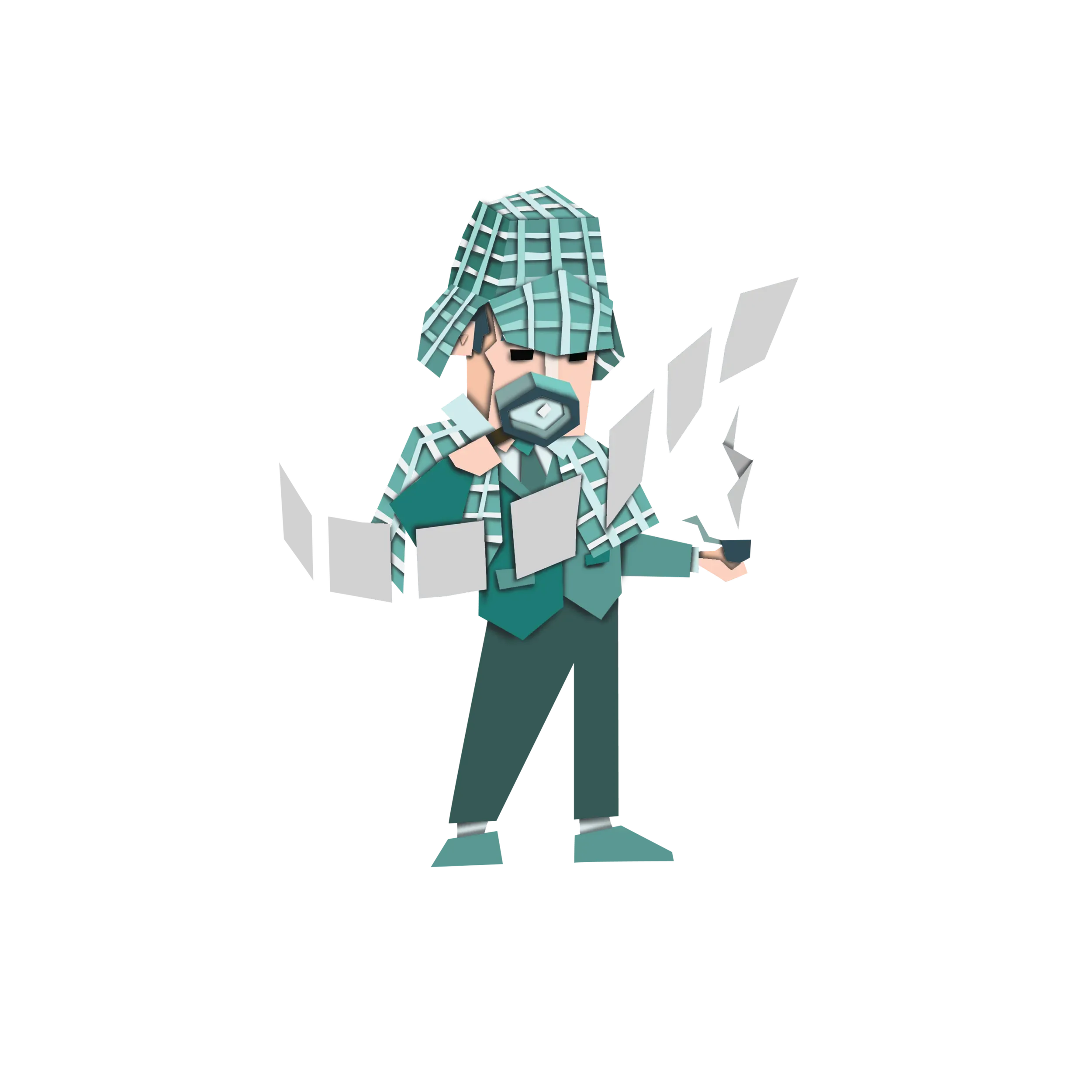
Focus
Can take a direction, follow through, and make the corrections necessary to stay on track. Prioritises, then acts.
Strengths: Goal-oriented, prioritisation, avoids distractions, persistent, provides direction.
Weaknesses: Can have tunnel vision, may overlook important peripheral information or people, can seem inflexible.

Responsibility
Takes psychological ownership of what they say they will do. Committed to stable values such as honesty and loyalty.
Strengths: Dependability, commitment, ownership, trustworthiness, follows through.
Weaknesses: Can overcommit or take on too much, may struggle to delegate, and feels excessive guilt if things go wrong.

Restorative
Adept at dealing with problems. Good at figuring out what is wrong and resolving it.
Strengths: Problem-solving, troubleshooting, analytical, finds solutions, revitalizes failing projects.
Weaknesses: May focus too much on problems rather than strengths, can be perceived as critical if communication isn't managed.

Influencing Domain: Selling Ideas and Taking Charge
Those strong in Influencing themes know how to take charge, speak up, and ensure the team's voice is heard. They excel at persuading others, selling ideas, and building momentum within and outside the organisation.
Activator
Can make things happen by turning thoughts into action. Often impatient.
Strengths: Initiates action, creates momentum, energizing, overcomes inertia, catalyst for change.
Weaknesses: Can act before thinking things through, may appear impulsive, impatience can frustrate methodical colleagues.

Has presence. Can take control of a situation and make decisions.
Strengths: Decisive, assertive, takes charge, provides clarity, confronts difficult issues.
Weaknesses: Can be perceived as bossy or intimidating, may overlook others' input if not managed.
Command

Communication
Generally finds it easy to put their thoughts into words. Good conversationalists and presenters.
Strengths: Articulate, engaging storyteller, good presenter, clarifies ideas, connects with audiences.
Weaknesses: May talk more than listen, can sometimes dominate conversations if not self-aware.
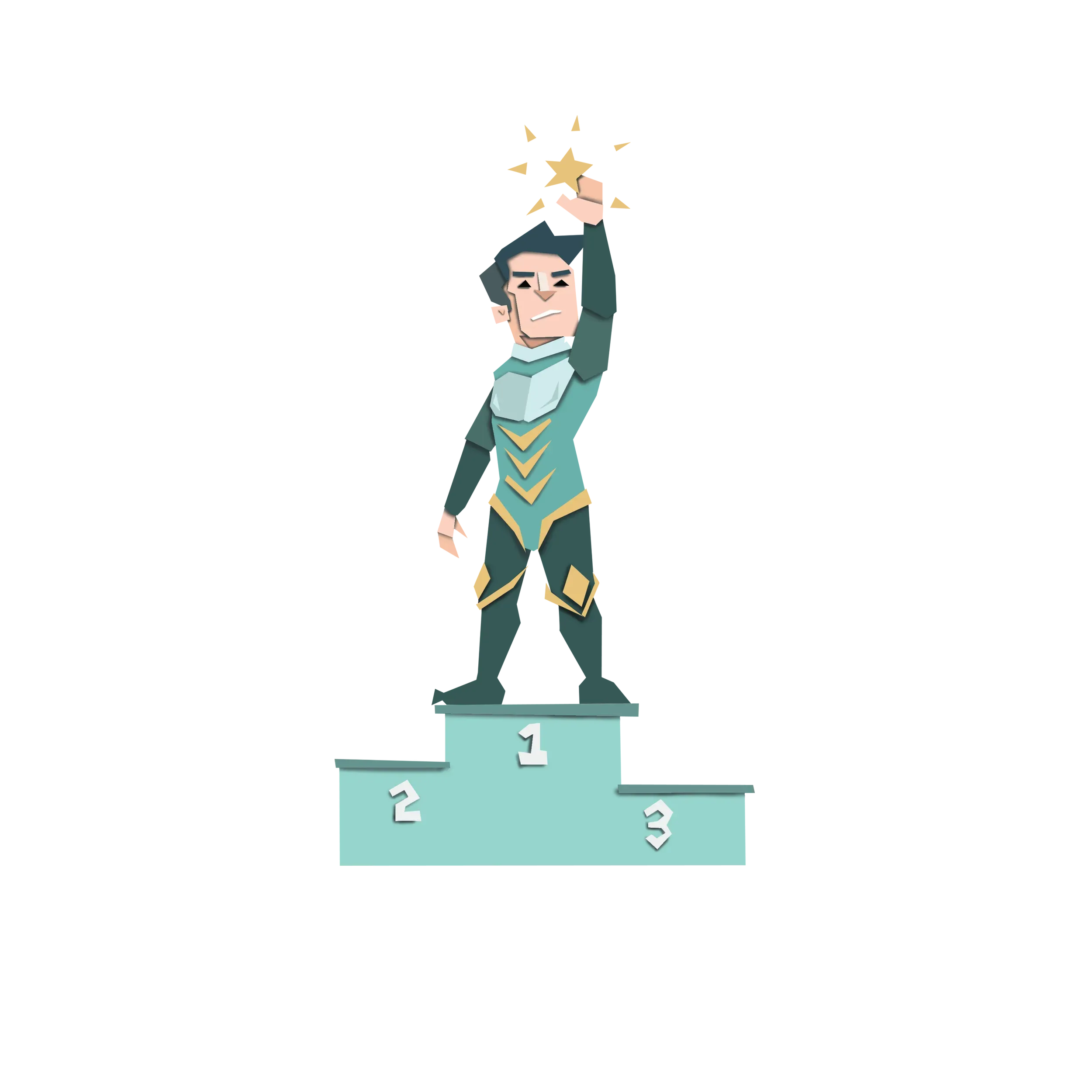
Competition
Measures progress against the performance of others. Strives to win first place and revels in contests.
Strengths: Driven, motivated by winning, raises performance standards, thrives under pressure.
Weaknesses: Can create unhealthy rivalries, may focus too much on beating others rather than collaboration, dislikes losing.
Maximizer
Focuses on strengths as a way to stimulate personal and group excellence. Seeks to transform something strong into something superb.
Strengths: Focuses on excellence, develops talent, refines processes, quality-oriented, elevates performance.
Weaknesses: May neglect critical weaknesses, can be perceived as picky or never satisfied, might frustrate those focused on fixing problems.

Self-Assurance
Wants to be very important in the eyes of others. Independent and wants to be recognised.
Strengths: Driven to make an impact, seeks recognition, motivated by achievement, inspires high standards.
Weaknesses: Can be overly concerned with status or appearance, may prioritise visibility over substance if not mature.

Significance
Wants to be very important in the eyes of others. Independent and wants to be recognised.
Strengths: Driven to make an impact, seeks recognition, motivated by achievement, inspires high standards.
Weaknesses: Can be overly concerned with status or appearance, may prioritise visibility over substance if not mature.

Woo (Winning Others Over)
(Winning Others Over) Loves the challenge of meeting new people and winning them over. Derives satisfaction from breaking the ice and making a connection.
Strengths: Sociable, builds networks quickly, engaging, breaks the ice easily, makes connections.
Weaknesses: Can sometimes prioritize meeting new people over deepening existing relationships, may appear superficial if connections lack depth.

Relationship Building Domain: Nurturing Team Cohesion
Individuals leading with Relationship Building themes are the glue that holds teams together. They naturally build strong connections, foster trust, and create an inclusive environment where individuals feel valued and supported.

Adaptability
Prefers to go with the flow. Tends to be "now" people who take things as they come and discover the future one day at a time.
Strengths: Flexible, present-focused, handles change well, calm under pressure, responsive.
Weaknesses: May lack long-term direction if not balanced with other themes, can seem unfocused to highly structured individuals.
Connectedness
Has faith in the links among all things. Believes there are few coincidences and that almost every event has meaning.
Strengths: Sees the bigger picture, purpose-driven, builds bridges, fosters unity, brings meaning to work.
Weaknesses: Can sometimes seem overly philosophical or detached from immediate practicalities.

Developer
Recognises and cultivates the potential in others. Spots the signs of each small improvement and derives satisfaction from these improvements.
Strengths: Mentors others, patient, encouraging, fosters growth, sees potential.
Weaknesses: May invest too much time in underperformers, can sometimes struggle to make tough decisions about talent.

Empathy
Can sense other people's feelings by imagining themselves in others' lives or situations.
Strengths: Understands emotions, builds trust, sensitive to others' needs, creates supportive environments.
Weaknesses: Can absorb others' negative emotions, may struggle to make objective decisions involving people.
Harmony
Looks for consensus. Doesn't enjoy conflict; seeks areas of agreement.
Strengths: Builds consensus, seeks agreement, reduces friction, promotes cooperation, creates stability.
Weaknesses: May avoid necessary conflict or tough conversations, can prioritise agreement over optimal solutions.
Includer
Accepting of others. Shows awareness of those who feel left out and makes an effort to include them.
Strengths: Welcoming, ensures everyone feels part of the group, values diversity, fosters belonging.
Weaknesses: Can sometimes struggle to differentiate performance or make necessary distinctions within a group.

Individualization
Intrigued with the unique qualities of each person. Has a gift for figuring out how different people can work together productively.
Strengths: Recognises unique talents, customises approach, effective delegator, builds strong individual relationships.
Weaknesses: Can be time-consuming to tailor everything, may struggle with standardized processes or treating everyone identically when needed.

Positivity
Has contagious enthusiasm. Upbeat and can get others excited about what they are going to do.
Strengths: Optimistic, enthusiastic, energising, boosts morale, makes work fun.
Weaknesses: May overlook serious problems or appear unrealistic, can struggle with negativity or cynicism in others.

Relator
Enjoys close relationships with others. Finds deep satisfaction in working hard with friends to achieve a goal.
Strengths: Builds deep trust, loyal, genuine, forms strong bonds, works well with known colleagues.
Weaknesses: May have a smaller network, can be hesitant to connect with strangers, might appear cliquey if not inclusive.

Strategic Thinking Domain: Analysing Information and Future Planning
Those dominant in Strategic Thinking themes are the forward-thinkers and analysts. They absorb and process information, constantly considering possibilities and finding the best path forward, which is vital for navigating complex markets.
Analytical
Searches for reasons and causes. Has the ability to think about all the factors that might affect a situation.
Strengths: Logical, objective, data-driven, asks probing questions, identifies root causes.
Weaknesses: Can get lost in data (analysis paralysis), may appear critical or detached, might overlook emotional factors.
Context

Enjoys thinking about the past. Understands the present by researching its history.
Strengths: Learns from history, provides perspective, understands background, avoids repeating mistakes.
Weaknesses: Can get stuck in the past, may resist new approaches without historical precedent.
Futuristic
Inspired by the future and what could be. Inspires others with visions of the future.
Strengths: Visionary, forward-thinking, inspires hope, sets long-term direction, anticipates trends.
Weaknesses: Can overlook present realities or practical details, may frustrate those focused on immediate tasks.

Ideation
Fascinated by ideas. Able to find connections between seemingly disparate phenomena.
Strengths: Creative, innovative, brainstorms easily, connects concepts, offers novel solutions.
Weaknesses: May generate too many ideas without follow-through, can struggle to focus on execution if not paired with Executing themes.

Input
Has a craving to know more. Often likes to collect and archive all kinds of information.
Strengths: Curious, knowledgeable, resourceful, gathers information, well-read.
Weaknesses: Can lead to information overload, may struggle to discard irrelevant data, can seem like hoarding knowledge if not shared.

Intellection
Characterised by intellectual activity. Introspective and appreciates intellectual discussions.
Strengths: Deep thinker, reflective, enjoys complex problems, values intellectual rigor.
Weaknesses: May spend too much time thinking instead of acting, can appear aloof or overly academic.
Has a great desire to learn and wants to continuously improve. The process of learning, rather than the outcome, excites them.
Strengths: Loves learning, adaptable, continuously improves, enjoys mastering new skills.
Weaknesses: May start many things without finishing, can prioritize learning over applying knowledge if not focused.

Learner

Strategic
Creates alternative ways to proceed. Faced with any given scenario, can quickly spot the relevant patterns and issues.
Strengths: Sees patterns, finds efficient paths, anticipates outcomes, creates options, navigates complexity.
Weaknesses: Can sometimes change direction too quickly for others, may overlook details in pursuit of the best route.