
What Is Executive Coaching? Definition, Benefits, and What to Expect
Jul 2 Written By Jason Ho
Most leadership problems don't show up on a spreadsheet. They show up in a difficult conversation that goes sideways, a strategy that never quite lands with the team, or a high-potential leader who keeps stalling at the same ceiling.
Executive coaching exists to close that gap. It's one of the most effective investments a company can make in its leaders, yet it remains widely misunderstood. This guide breaks down exactly what executive coaching is, how it works, and what real results look like.
What Is Executive Coaching?
Executive coaching is a structured, confidential one-on-one development process between a trained coach and a senior leader or high-potential professional. The goal is not to fix something broken. It's to help an already capable leader perform at a higher level, gain clearer perspective on their behaviour and impact, and make faster progress on the goals that matter most to the organisation.
Unlike generic training or group workshops, executive coaching is deeply personalised. Sessions are built around the specific challenges, goals, and context of the individual. The coach doesn't give answers; they ask the right questions, surface blind spots, and create the structured accountability that most leaders don't have access to in their day-to-day roles.
Executive coaching is not therapy, consulting, or mentoring. It's a focused professional development relationship grounded in evidence-based methods, designed to create lasting behavioural change.
What Does Executive Coaching Do?

Executive coaching operates on the principle that awareness precedes change. Before a leader can improve how they communicate, delegate, or inspire others, they first need an accurate picture of how they currently show up.
Here's what executive coaching actually does in practice:
Builds self-awareness. Most leaders have significant gaps between how they see themselves and how others experience them. Coaching closes that gap using structured feedback tools, reflective exercises, and honest conversation.
Strengthens decision-making. Senior leaders face complex decisions with incomplete information under pressure. Coaching provides a space to think out loud, stress-test assumptions, and develop cleaner decision frameworks.
Improves influence and communication. Whether it's presenting to a board, managing up, or navigating organisational politics, coaching helps leaders communicate with greater clarity and impact.
Accelerates leadership transitions. New executives and first-time managers face steep learning curves. Coaching can cut years off that curve by building the right mental models early.
Drives engagement and retention. Leaders who are coached become better coaches themselves. Teams led by high-EQ, self-aware leaders consistently report higher engagement and lower turnover.
The Executive Coaching Process: What to Expect
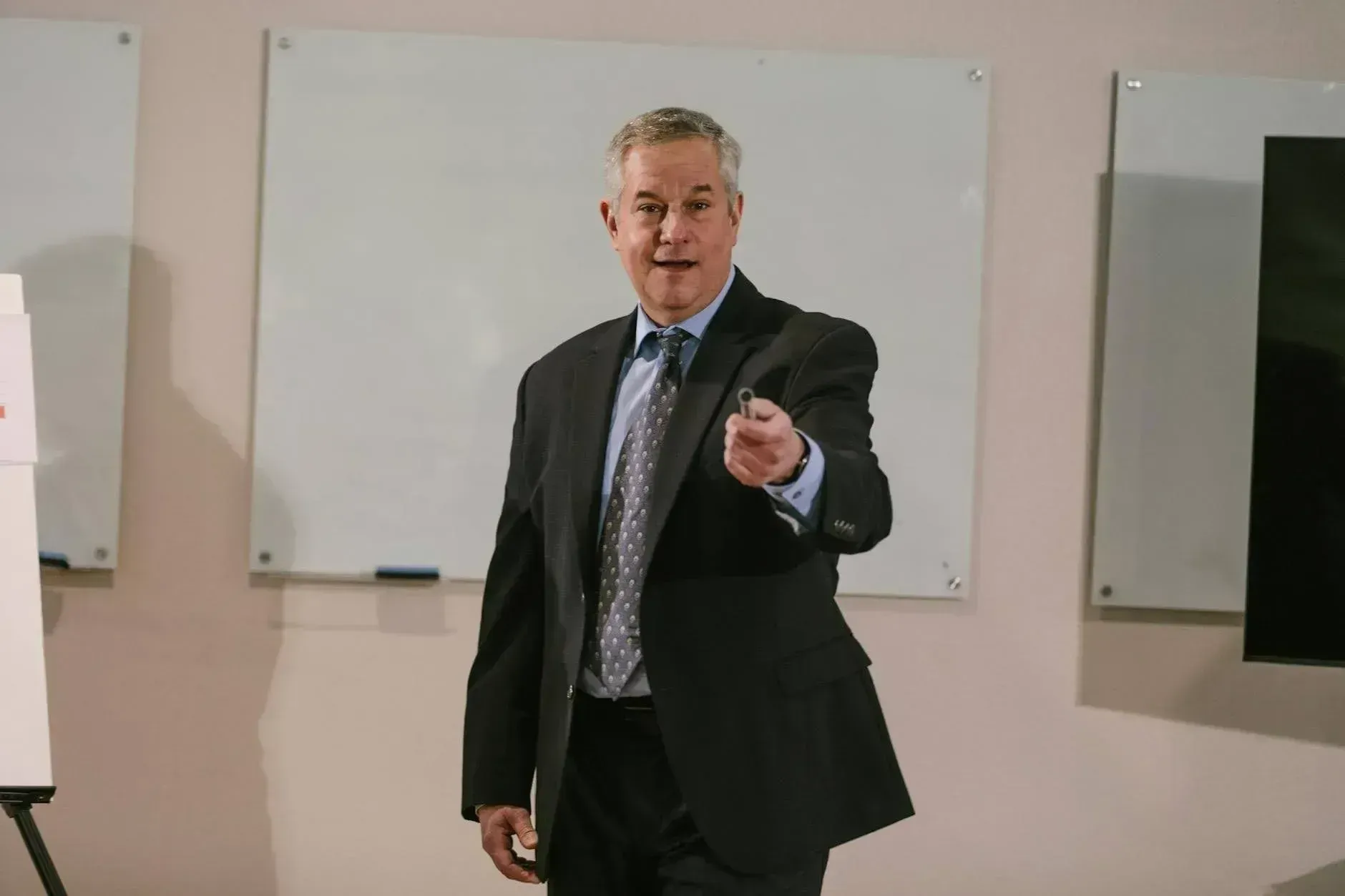
Executive coaching is not a single session or a quick fix. It's a sustained engagement, typically running three to twelve months, built around a structured framework.
Phase 1: Alignment and goal-setting. The coach and client clarify the purpose of the engagement, establish confidentiality, and define what success looks like. This phase often involves input from the client's manager or HR to ensure organisational priorities are reflected.
Phase 2: Assessment and discovery. This is where the real work begins. The coach draws on structured tools, including 360-degree feedback, behavioural assessments such as CliftonStrengths, and stakeholder interviews, to build a complete picture of the leader's strengths, blind spots, and development areas. This data becomes the foundation of the coaching plan.
Phase 3: Active coaching sessions. Regular sessions, typically bi-weekly or monthly, focus on real challenges the client is currently facing. Each session moves between reflection, insight, and practical action. The coach holds the client accountable between sessions.
Phase 4: Integration and transition. As the engagement matures, the coach gradually steps back. The goal is for the leader to internalize new thinking patterns and behaviours, not remain dependent on the coach.
What Are the Benefits of Executive Coaching?

The business case for executive coaching is strong. A Metrix Global study found an average return of 788% on executive coaching investment, driven by improvements in productivity, employee engagement, and retention.
Beyond the numbers, here's what organisations consistently report:
Leaders make better decisions under pressure. Coaching builds the emotional regulation and clarity of thought that high-stakes environments demand.
Teams perform better. Research shows that leaders who receive coaching develop stronger coaching behaviours themselves, creating a ripple effect on team performance.
Communication and trust improve. Coaching sharpens a leader's ability to give feedback, manage conflict, and build psychological safety within their teams.
Succession pipelines strengthen. Organisations that invest in executive coaching develop stronger internal talent and reduce the cost of external hiring.
Retention improves. According to the International Coaching Federation (ICF), 72% of organisations that invest in coaching cultures report higher employee engagement.
A 2024 ICF study found that 87% of companies that use executive coaching report a positive ROI. The benefits compound over time, particularly when coaching is integrated into a broader leadership development strategy rather than used as a one-off intervention.
Who Should Consider Executive Coaching?

Executive coaching is most effective when the individual being coached is in a high-stakes leadership role with a significant team or organisational mandate, facing a new challenge such as a promotion or major restructure, dealing with a specific leadership gap that is limiting their effectiveness, or ready to be honest about their blind spots and committed to doing the work.
Coaching is not just for struggling leaders. Some of the highest-value coaching engagements happen with high performers who want to accelerate their growth or navigate complex transitions at speed.
In Hong Kong's fast-moving corporate environment, where MNCs operate across cultures and time zones, executive coaching has become a strategic tool for organisations that want to develop agile, resilient leadership from within.
Conclusion On How Executive Coaching Works
Most coaching frameworks focus heavily on fixing weaknesses. Strengths-based executive coaching takes the opposite approach.
At Strengths School Hong Kong, coaching starts with a deep understanding of what the leader naturally does best, using scientifically validated tools like the Gallup CliftonStrengths assessment. Rather than asking what's wrong with this leader, the question becomes: what does this leader do brilliantly, and how do we build their role and impact around that?
The result is coaching that feels less like remediation and more like acceleration.
Leaders who understand their own strengths lead with more confidence, communicate more authentically, and make decisions that align with how they're actually wired. They also build better teams because they can spot and develop the strengths of the people around them.
If you're leading a team in Hong Kong and want to invest in leadership development that actually sticks, Strengths School's leadership programmes in Hong Kong are built around this evidence-based approach. You can also explore how we work with entire organisations at our programmes for organisations, or learn more about our approach on Strengths School Hong Kong™.
Frequently Asked Questions About Executive Coaching
What Is Executive Coaching, Exactly?
Executive coaching is a structured, one-on-one professional development process between a certified coach and a senior leader or high-potential professional. Sessions focus on building self-awareness, improving leadership effectiveness, and working through specific challenges the leader is currently facing. It is confidential, personalised, and grounded in evidence-based methods.
What Does Executive Coaching Do For A Leader?
Executive coaching helps leaders close the gap between how they see themselves and how they actually show up. It improves decision-making, communication, delegation, and the ability to lead under pressure. Most leaders who complete a coaching engagement report significant improvements in team performance, stakeholder relationships, and their own confidence as a leader.
How Long Does Executive Coaching Take?
A typical executive coaching engagement runs between three and twelve months. The length depends on the goals of the engagement and the complexity of the challenges being addressed. Some organisations run shorter engagements of six to eight sessions for targeted development; others invest in longer programmes for leadership transitions or high-stakes roles.
What Are The Benefits Of Executive Coaching For Organisations?
Organisations that invest in executive coaching typically see improvements in leadership effectiveness, employee engagement, retention, and team performance. A Metrix Global study found an average ROI of 788% from executive coaching, driven by productivity gains and reduced turnover costs.
How Is Executive Coaching Different From Mentoring?
A mentor shares their own experience and gives advice based on what has worked for them. An executive coach is trained to help the client find their own answers through structured questions, reflection, and evidence-based tools. Coaching is less about what the mentor did and more about what is possible for the client.
Is Executive Coaching Worth The Investment For Hong Kong Companies?
Yes, especially in high-stakes environments like those common across Hong Kong's MNC and financial sectors. When leaders operate more effectively, teams perform better, decisions improve, and the cost of poor leadership, including turnover, disengagement, and missed targets, decreases significantly. For organisations serious about building internal leadership capability, the ROI on executive coaching is consistently strong.
Previous Previous