
Inclusive Leadership Training: How to Lead Diverse Teams Better
May 23 Written By Jason Ho
Let’s be honest. Most of us have been in a meeting where it felt like only one or two voices actually mattered. It’s frustrating, right?
That is exactly why inclusive leadership training has moved from a "nice-to-have" HR initiative to a core business strategy. Leading a team today isn't just about giving orders; it is about making sure every person at the table feels safe enough to contribute their best ideas.
When you invest in becoming an inclusive leader, you aren't just checking a box. You are building a culture where innovation happens naturally because people aren't afraid to speak up. It is about moving past the surface level and truly understanding how to leverage the unique strengths of every individual.
Why Inclusive Leadership Training Is Essential For Modern Success
In the past, leadership was often seen as a "top-down" approach where one person had all the answers. Today, the world moves too fast for that.
Inclusive leadership training is essential because it shifts the focus from being the smartest person in the room to ensuring the room is smart enough to win. Without these skills, a leader risks alienating top talent and missing out on the very ideas that could save a project.
Here is why this training is a non-negotiable for anyone in a management role:
Better Decision Making: When you lead inclusively, you gather a wider range of perspectives. This helps you spot risks that a homogenous group might miss.
Higher Employee Retention: People don't leave jobs; they leave managers who don't see or value them. Training helps you build the kind of culture where people actually want to stay.
Increased Innovation: New ideas come from the friction of different viewpoints. Inclusive leadership training teaches you how to manage that friction so it turns into creativity instead of conflict.
Adaptability: A leader who understands diversity is better equipped to handle global markets and changing customer needs.
The Benefits Of Inclusive Training
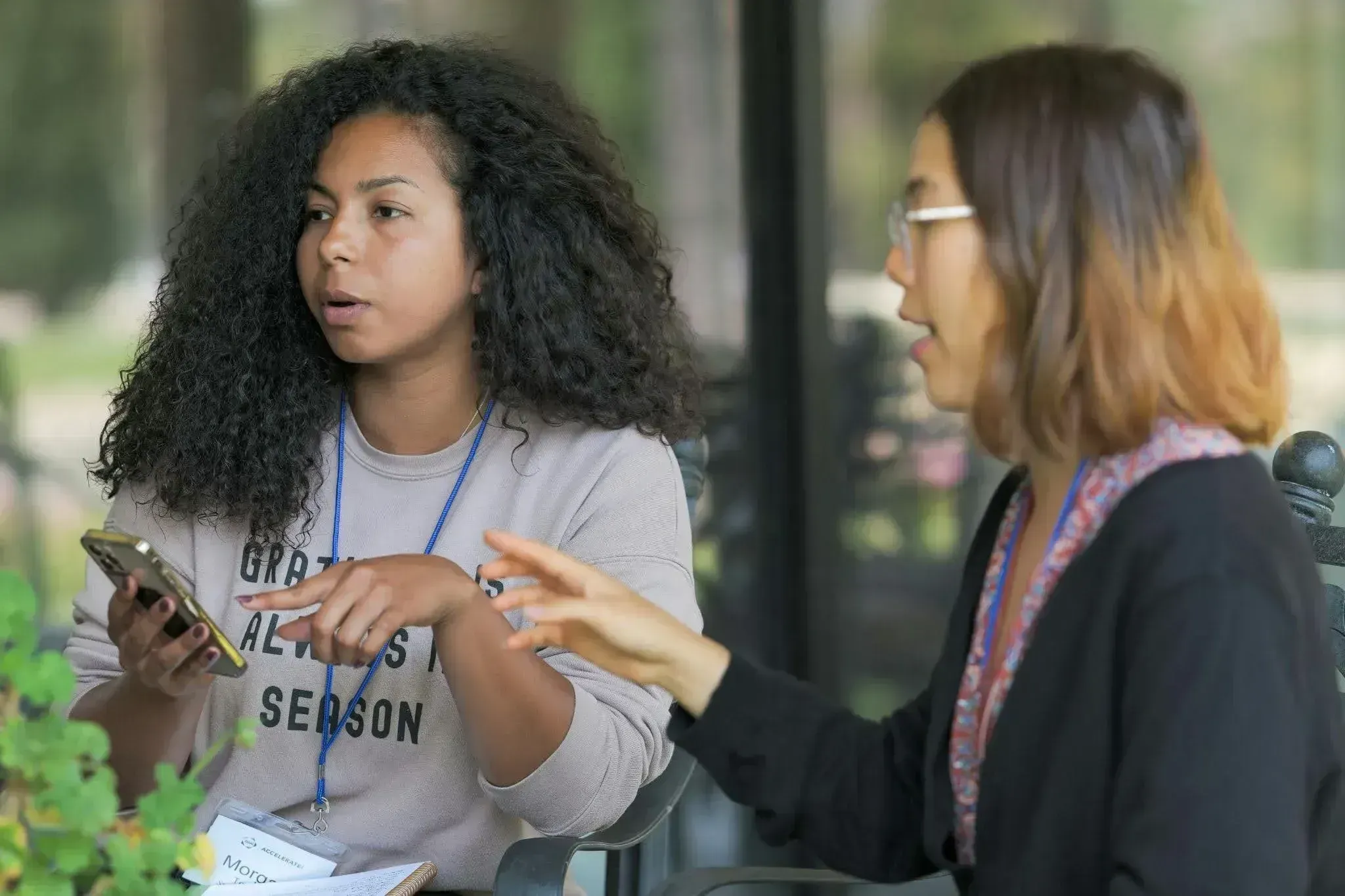
When an organization commits to leadership diversity training, the results show up in the culture and the bottom line. It is not just about "feeling good", it is about performing better.
How To Start Your Inclusive Leadership Training
Beginning this process isn't about memorizing a textbook; it is about looking in the mirror and getting honest about how you show up for your team. Here is how you can start:
Take a Bias Audit: We all have mental shortcuts that make us favor people who went to the same school or share our hobbies. Start by noticing who you turn to first for advice. If it is always the same two people, you have found your starting point.
Active Listening Sessions: Set up 15-minute coffee chats with team members you don't usually interact with. Your only job is to listen. Ask, "What is one thing that would make you feel more supported here?"
Seek Out Different Perspectives: Purposefully read articles or follow creators who challenge your current worldview. Inclusive leadership training starts with expanding your own horizon before you try to lead others through theirs.
The Pause Technique: Before making a quick decision on a promotion or a project lead, pause for 30 seconds. Ask yourself, "Am I choosing this person because they are the best fit, or because they are the most like me?"
The Core Elements Of Effective Leadership Diversity Training

For leadership diversity training to actually work, it needs to move past theory and into high-impact habits. These are the "must-haves" for any program:
Psychological Safety: This is the foundation. It means creating an environment where a junior employee can tell a director, "I think we are missing something here," without fear of losing their job.
Cultural Intelligence: the ability to work effectively across cultures. It is about learning that "being professional" looks different in Singapore than it does in New York or London.
Empathy over Sympathy: Sympathy is feeling sorry for someone; empathy is walking in their shoes. Effective training teaches leaders how to validate someone else's experience even if they haven't lived it themselves.
Strengths Recognition: Instead of trying to make everyone the same, great diversity leadership training teaches you to spot unique talents. One person might be a data wizard, while another is a storytelling genius. Inclusion means giving both a stage to shine.
Implementing Diversity And Inclusion Leadership Training In Your Workflow
The biggest mistake is leaving these ideas in the classroom. To see real change, you have to bake them into your daily grind:
The Round Robin Meeting Style: Change your meeting structure so that every person has a dedicated two minutes to speak. This prevents the loudest voices from dominating the room.
Inclusive Job Descriptions: Review your hiring ads. Are you using "macho" or overly aggressive language that might scare off great candidates? Swap out "Rockstar Ninja" for "Collaborative Problem Solver."
Transparent Feedback Loops: Use diversity and inclusion leadership training principles to standardize how you give reviews. Use clear, data-backed rubrics so that every employee is judged by the same fair yardstick.
Mentorship vs. Sponsorship: Don't just give advice (mentoring); use your power to mention your diverse team members' names in rooms they haven't entered yet (sponsoring).
By focusing on these practical steps, inclusive leadership training becoming a successful leader becomes a successful part of your professional identity.
Turn Inclusion Into a Daily Leadership PracticeConclusion About Diversity and Inclusion Leadership Training
Becoming an inclusive leader is a continuous process of learning and adapting. It requires a genuine commitment to growth and a willingness to see the world through a different lens. By prioritizing these skills, you ensure your team remains resilient and innovative in an ever-changing market.
If you are ready to transform your management style, look into Strengths School™, offering strengths-based workshops for corporate leaders to help your team reach its full potential.
Frequently Asked Questions About Diversity and Inclusion Leadership Training
What Is Inclusive Leadership Training?
Inclusive leadership training is a developmental process that helps managers and executives build the skills needed to lead diverse teams effectively. It focuses on reducing unconscious bias, practicing empathy, and creating an environment where every employee feels valued and empowered to contribute to the organization's goals.
What Are The 5 C's Of Inclusive Leadership?
The 5 C's generally refer to Commitment, Courage, Cognizance of bias, Curiosity, and Cultural intelligence. A leader must be committed to diversity, have the courage to speak up against inequity, be aware of their own biases, remain curious about different perspectives, and possess the intelligence to navigate various cultural norms.
How Does Diversity Leadership Training Improve Team Performance?
When leaders undergo this training, they learn how to unlock the collective intelligence of their group. By making it safe for everyone to share ideas, teams solve problems faster and come up with more creative solutions than groups where only a few voices dominate the conversation.
Why Is Inclusive Leadership Training Becoming A Successful Leader Requirement?
Modern workforces are more diverse than ever. To retain top talent and stay competitive, leaders must know how to manage people from diverse backgrounds. Without these skills, a leader risks high turnover rates and a stagnant team culture that cannot adapt to global market changes.
Previous Previous