
What Is Team Motivation And Why Does It Matter For Success
Jan 9 Written By Jason Ho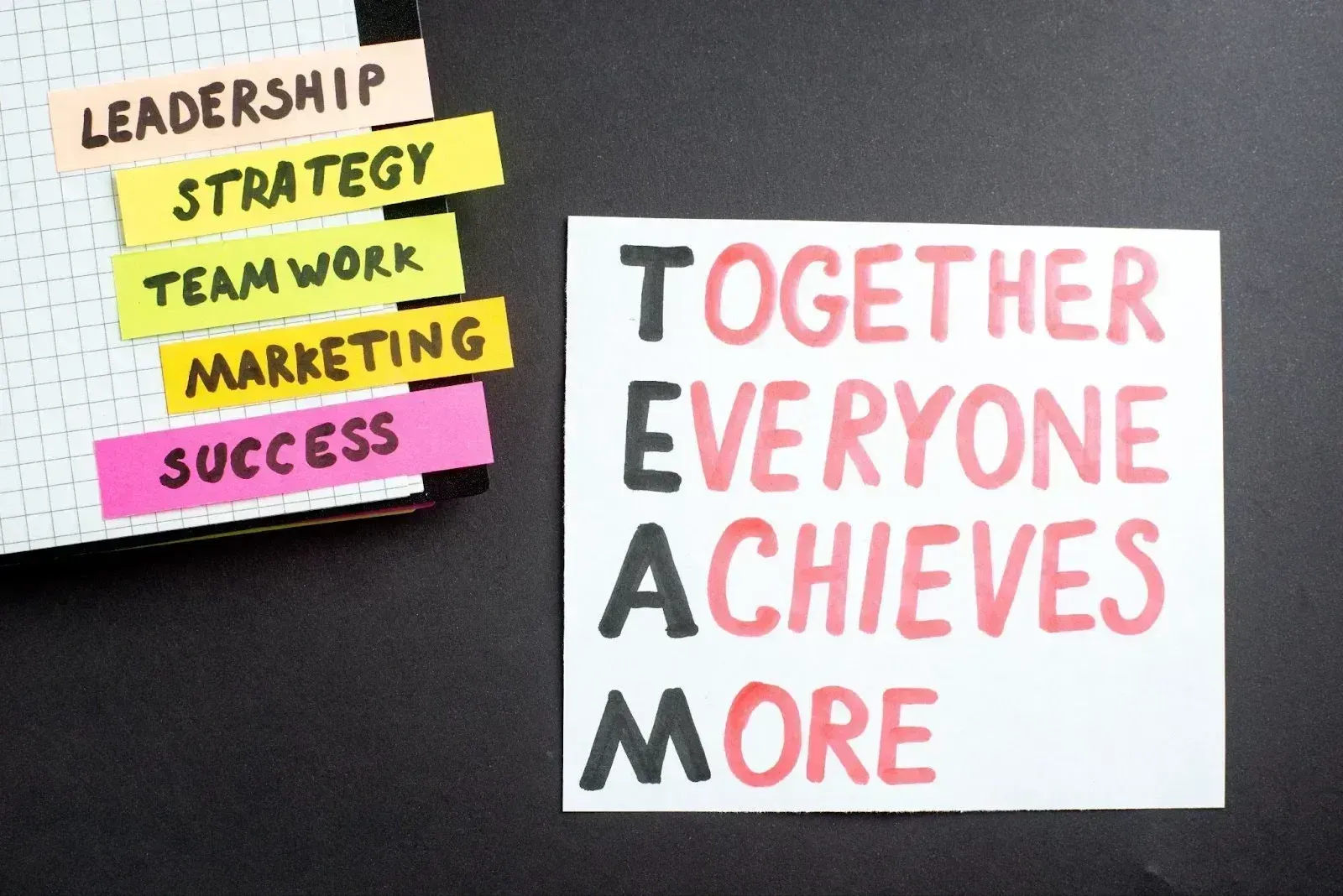
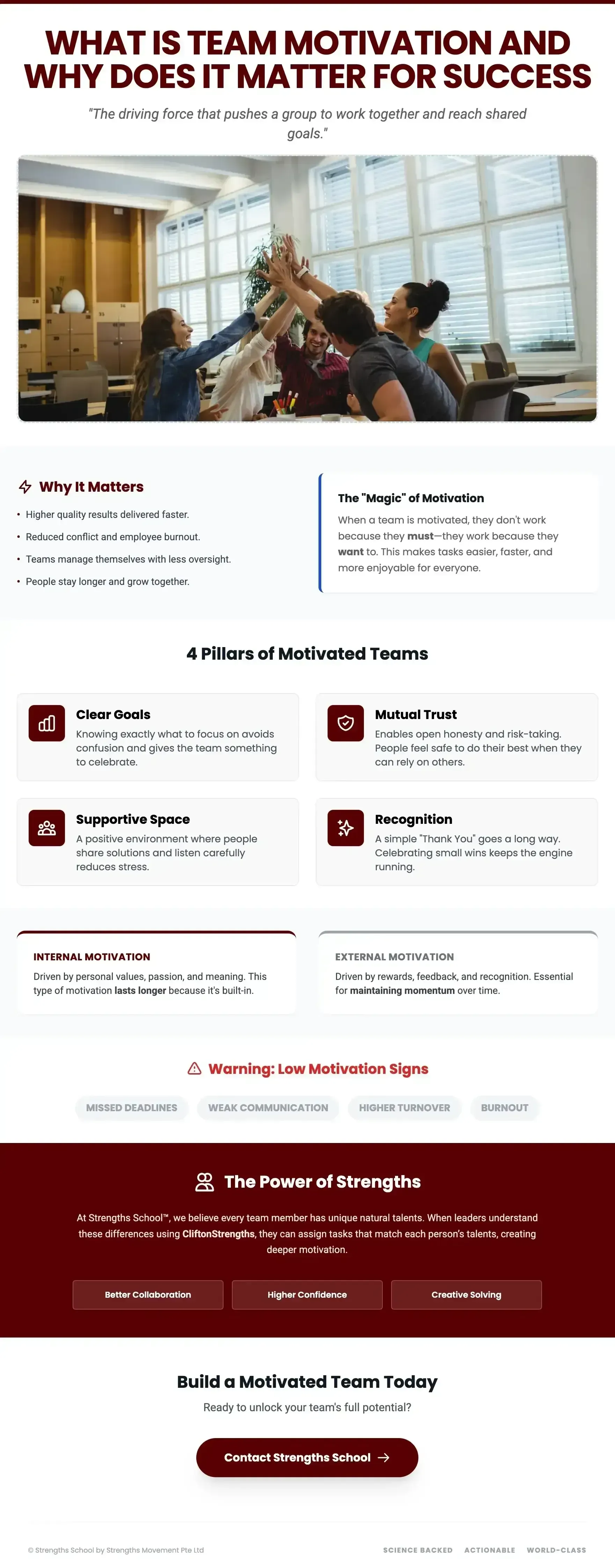
Team motivation is the driving force that pushes a group to work well together and reach shared goals. When a team is motivated, every member feels excited to contribute. People show up ready to help, take action, and support each other. They do not work only because they must. They work because they want to. This makes all tasks easier, faster, and more enjoyable.
In this article, you will learn what team motivation really means, why it matters, and how to build an environment where motivation grows. You will also discover the factors that influence motivation and the simple habits leaders can encourage to keep the team energised and united.
What Is Team Motivation?
Team motivation refers to the actions, feelings, and energy that help a group stay committed to a shared mission. It is the combined motivation of all team members. When motivation is strong, people push harder and aim higher. When it is weak, work slows down, and team spirit falls apart.
Motivation can come from inside each person. This is called internal motivation. People feel proud of their work and want to perform well. It can also come from outside factors like rewards, encouragement, guidance, and appreciation. Both internal and external motivation matter for a team to succeed.
Understanding what team motivation is is also about recognising the team’s shared purpose. When a group understands why their work matters, they naturally feel more connected. They know they are not working alone. They are building something together. When the purpose is clear, people become more confident and ready to support each other.
Why Team Motivation Matters

Team motivation is not just a nice thing to have. It is an essential part of a successful team. When teams feel motivated, they work faster and deliver higher-quality results. They communicate more clearly and support small changes that improve processes. They stay focused even during busy or stressful periods.
Motivated teams are also happier teams. They feel respected and valued. This helps reduce conflict and burnout. When people enjoy working together, they stay longer and contribute more. This stability helps the group produce better results because everyone grows together at the same pace.
Motivation also helps leaders because it creates a positive environment where people manage their own tasks with confidence. A team that is motivated requires less micromanagement. This allows leaders to guide more and control less.
The Core Elements That Drive Team Motivation
Understanding what team motivation is means looking at the factors that help people stay engaged. Below are the most important elements that raise motivation inside a team.
Clear Goals
Teams need to understand what they are working towards. Clear and simple goals help everyone know what to focus on. When people know exactly what to do, they avoid confusion and stay on track.
Clear goals also give teams something to celebrate when the work is done. This sense of achievement builds confidence and inspires the group to continue improving.
Trust Among Team Members
To stay motivated, people need to trust each other. Trust helps individuals speak openly, ask questions, share ideas, and admit mistakes. When trust is present, work becomes lighter because no one feels alone.
Leaders should encourage honesty and respect to help build trust in a team. When trust grows, motivation grows too, because people feel safe to do their best.
A Supportive Work Environment
Team motivation grows when the environment is positive and supportive. This means that people help each other, share solutions, and listen carefully. Even when tasks are hard, support makes everything feel doable.
A supportive environment also reduces stress. When people know they can rely on their team, they feel more confident in their work.
Recognition And Appreciation
Everyone wants to feel valued. A simple thank you or a small sign of appreciation can boost motivation. When teams celebrate progress, even in small steps, motivation becomes stronger.
Appreciation reminds people that their effort matters. This encourages them to stay active, engaged, and committed.
Internal Motivation Versus External Motivation
To understand what team motivation is, you also need to know the difference between internal and external motivation.
Internal Motivation
Internal motivation comes from inside. People work because they enjoy the task or find meaning in it. They feel satisfied when they do their job well. This type of motivation lasts longer because it is based on personal values and natural passion.
Teams with strong internal motivation perform well because they do not rely only on rewards. They enjoy the work and feel proud of the results.
External Motivation
External motivation comes from outside factors like rewards, recognition, and positive feedback. It is also helpful and important. Rewards give people a reason to stay focused and reach goals.
The best teams use both internal and external motivation. This balance helps people stay excited about their work over time.
The Role Of Leadership In Team Motivation
Leaders play a big part in shaping motivation. A leader sets the tone for the whole team. When a leader listens, guides, and communicates clearly, motivation stays high. When a leader ignores concerns or confuses the team, motivation drops.
A leader should be patient and open. They should help people understand their tasks and feel confident in their abilities. Strong leaders ask questions, encourage learning, and show appreciation. These actions create a motivated, healthy environment.
Leadership also includes recognising each person’s unique strengths. Teams are made up of different skills and personalities. When leaders understand these differences, they can assign tasks that match each person’s talents. This helps build a strong team where everyone feels needed.
The Connection Between Team Motivation And Communication
Communication is one of the strongest tools for building motivation. When teams talk clearly and listen to each other, challenges become easier to solve.
Good communication helps avoid misunderstandings. It also gives people the chance to express ideas freely. To improve communication, leaders should encourage open conversations, ask for feedback, and create space for questions.
Clear communication also makes the team more confident. When people know what is expected, they focus better and stay motivated.
How Team Motivation Builds Stronger Collaboration
Motivated teams collaborate better. When people care about their work, they want their teammates to succeed too. They share ideas, help each other, and support the group when challenges appear.
Collaboration also becomes easier when trust and respect are present. When people feel listened to, they speak up more often. This helps the team discover new solutions and avoid repeated mistakes.
A team that collaborates well can reach goals faster. They avoid delays because work flows smoothly between members.
How Motivation Supports Problem Solving
When people feel motivated, they become more creative. They think of new ways to solve problems and feel brave enough to try new methods.
Motivated teams are not afraid of challenges. They take action instead of avoiding difficult tasks. This leads to better performance and stronger results.
Motivation also helps teams stay calm when something goes wrong. Instead of blaming others, they focus on solutions.
What Happens When Team Motivation Is Low
Low motivation creates many problems inside a team. People lose energy and interest. Tasks take longer to finish. Deadlines are missed. Communication becomes weak.
Low motivation also increases conflict. When people do not feel supported, they become stressed and impatient. This makes teamwork harder and less enjoyable.
Over time, low motivation causes burnout and higher turnover. Teams become unstable because people leave or stop trying.
Understanding what team motivation is helps leaders identify these warning signs early and fix the problem before it grows.
How To Improve Team Motivation
There are simple ways to boost motivation in any team. Below are helpful strategies that leaders and team members can use.
Set Clear And Simple Goals
Teams feel motivated when they know what to do. Goals should be realistic, easy to understand, and broken into small steps.
Clear goals help reduce stress. They give teams something to focus on and celebrate once completed.
Encourage Open Conversations
Motivation grows when people feel heard. Teams should talk often about challenges, progress, and ideas. Open communication helps everyone stay aligned and confident.
Create A Positive And Supportive Environment
A positive environment encourages people to help each other. Leaders can support this by recognising good work and offering help when needed. A positive space makes work more enjoyable and motivating.
Give Regular Feedback
Feedback helps people improve. It also shows that leaders care about their development. Regular feedback keeps motivation strong because it guides the team and celebrates progress.
Celebrate Wins Often
Celebrating big and small achievements reminds people that their effort matters. Recognition boosts mood and makes people want to continue doing their best.
Develop Individual Strengths
Every team member has unique strengths. Using strengths in organisational transformation makes people feel valued and useful. When people use their strengths daily, motivation rises, and performance improves.
The Role Of Strengths In Team Motivation

Teams stay motivated when they understand and use their strengths. Strengths help people do their best work naturally. This leads to better performance and more confidence.
Strengths also help teams collaborate because everyone knows what each member can contribute. This creates respect and trust. When people feel valued for who they are, they stay highly motivated.
Many teams explore strengths through assessments. Some compare CliftonStrengths vs MBTI. These tools help teams understand personality, communication styles, and natural talents. When used properly, they support deeper motivation and better teamwork.
Conclusion On What Is Team Motivation
Team motivation is the energy that drives a group to work well together. It helps teams communicate better, solve problems faster, and stay focused on shared goals. Motivated teams enjoy their work and support each other during challenges. Understanding what team motivation is helps leaders build stronger, happier, and more productive teams.
If you want to help your team use their strengths and stay motivated, we can support you. At Strengths School™, we guide leaders and teams in becoming more confident and effective.
Contact us to learn how our programmes can help your team grow and succeed.
Frequently Asked Questions About What Is Team Motivation
What Is Team Motivation In Simple Words?
Team motivation is the force that makes a group excited to work together and reach shared goals.
What Makes A Team Feel Motivated?
Teams feel motivated when they have clear goals, good communication, trust, and a positive environment.
How Does A Leader Improve Team Motivation?
A leader improves motivation by listening, giving clear guidance, offering support, and recognising progress.
Why Do Motivated Teams Perform Better?
Motivated teams work faster, communicate better, solve problems quickly, and show more confidence.
How Can Team Motivation Be Maintained Over Time?
Motivation is maintained through trust, good communication, regular feedback, and opportunities for growth.
Previous Previous